Fed Chair Jerome Powell recently spoke at the Fed's yearly Jackson Hole meeting. His speech was widely covered in the news and suggested that an interest rate cut in September is likely. Powell said that while there are concerns about tariffs and inflation, these need to be weighed against helping the job market. Stock markets have been near record highs lately, showing that investors seem to agree with the Fed's direction and feel good about the economy. What does a possible rate cut mean for long-term investors?
Why market trust in the Fed is important
 |
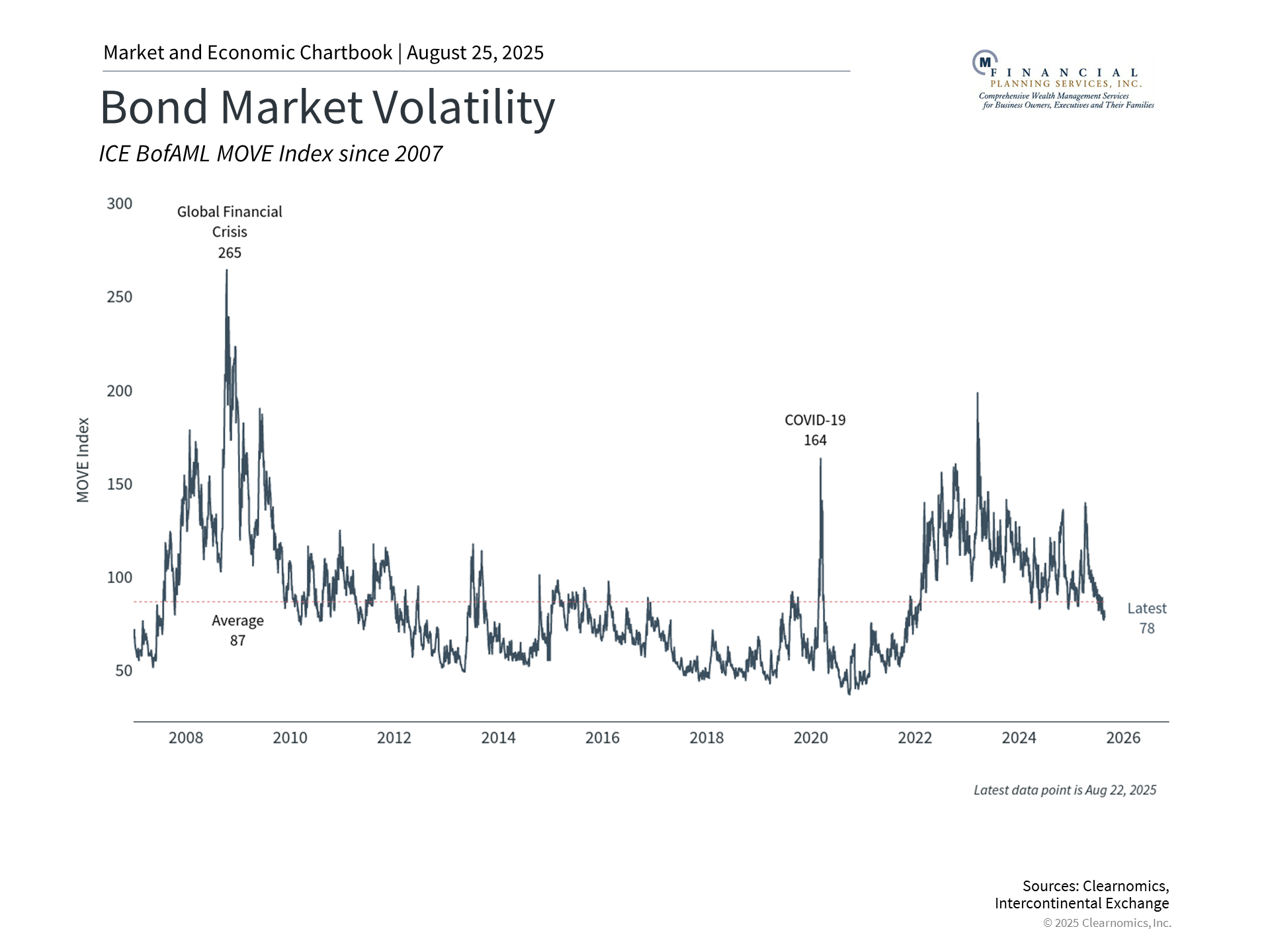
The bond market shows us how much investors trust the Fed's decisions. When investors have confidence in the Fed, their policies work better. The Fed sets short-term interest rates, but markets decide longer-term rates that affect things like home loans and business borrowing.
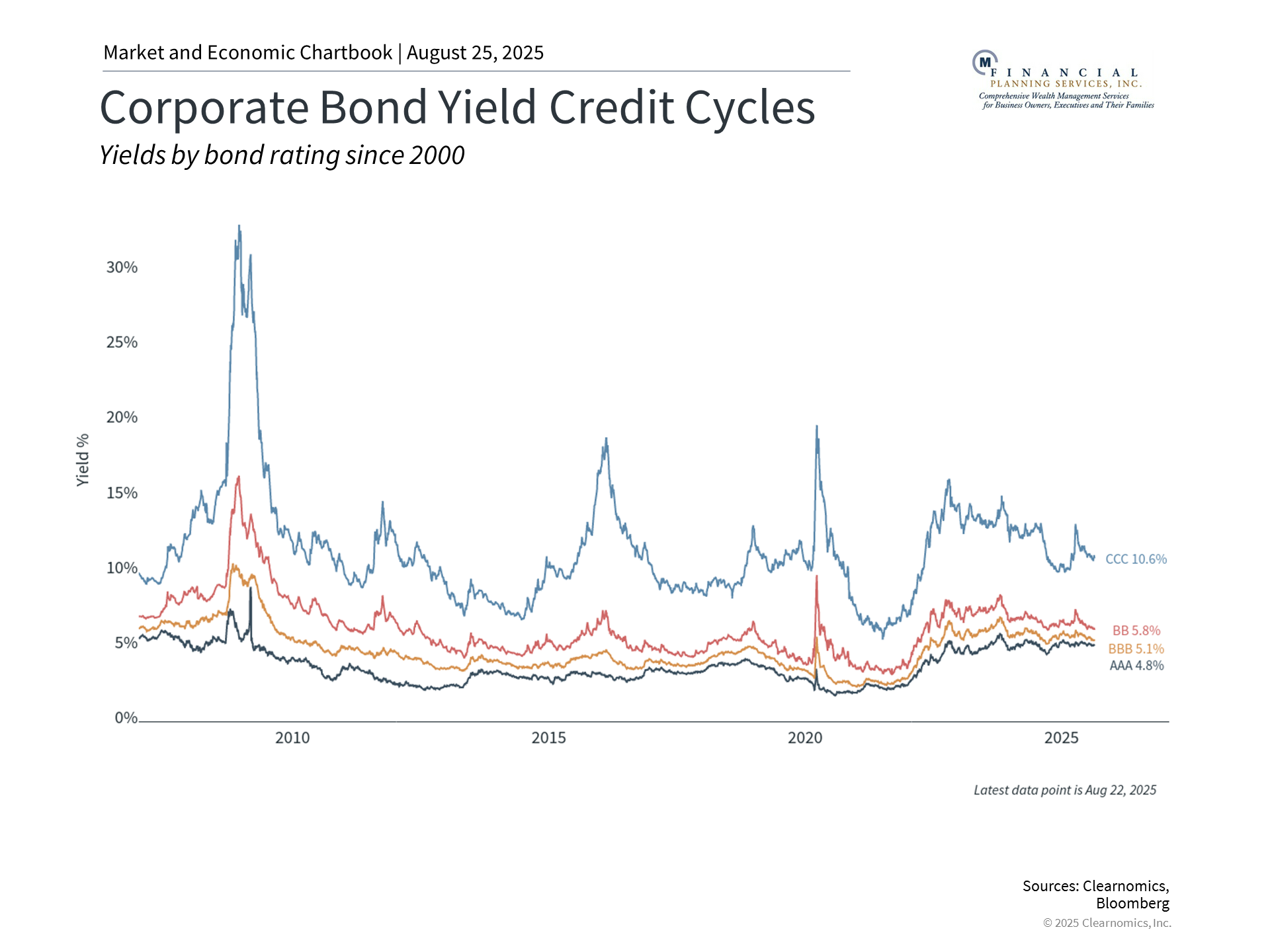
Corporate bond yields are a good way to measure confidence in both the Fed and the economy. These yields show how much extra return investors want to lend money to companies. When the economy is doing well and companies are making good profits, these yields tend to be lower.
Today's market shows strong confidence. Corporate bond yields and spreads (the extra return over safe government bonds) are at their lowest levels in years. This matches with stock markets reaching new record highs.
The Fed is planning rate cuts
 |
Powell's speech showed the Fed must balance controlling inflation with supporting jobs. He noted that tariffs could push inflation higher, but also worried about employment risks. This reflects the Fed's job to promote both stable prices and employment.
Recent data shows this challenge. The Fed's preferred inflation measure has risen 2.6% over the past year, above their 2% target. However, the July jobs report showed only 73,000 new jobs were added, much lower than expected. This suggests the job market may be cooling more than first thought.
The Fed is trying to figure out if tariff-related price increases are temporary or a sign of bigger inflation problems. Right now, they seem to be planning careful rate cuts.
Rate cuts create bond opportunities
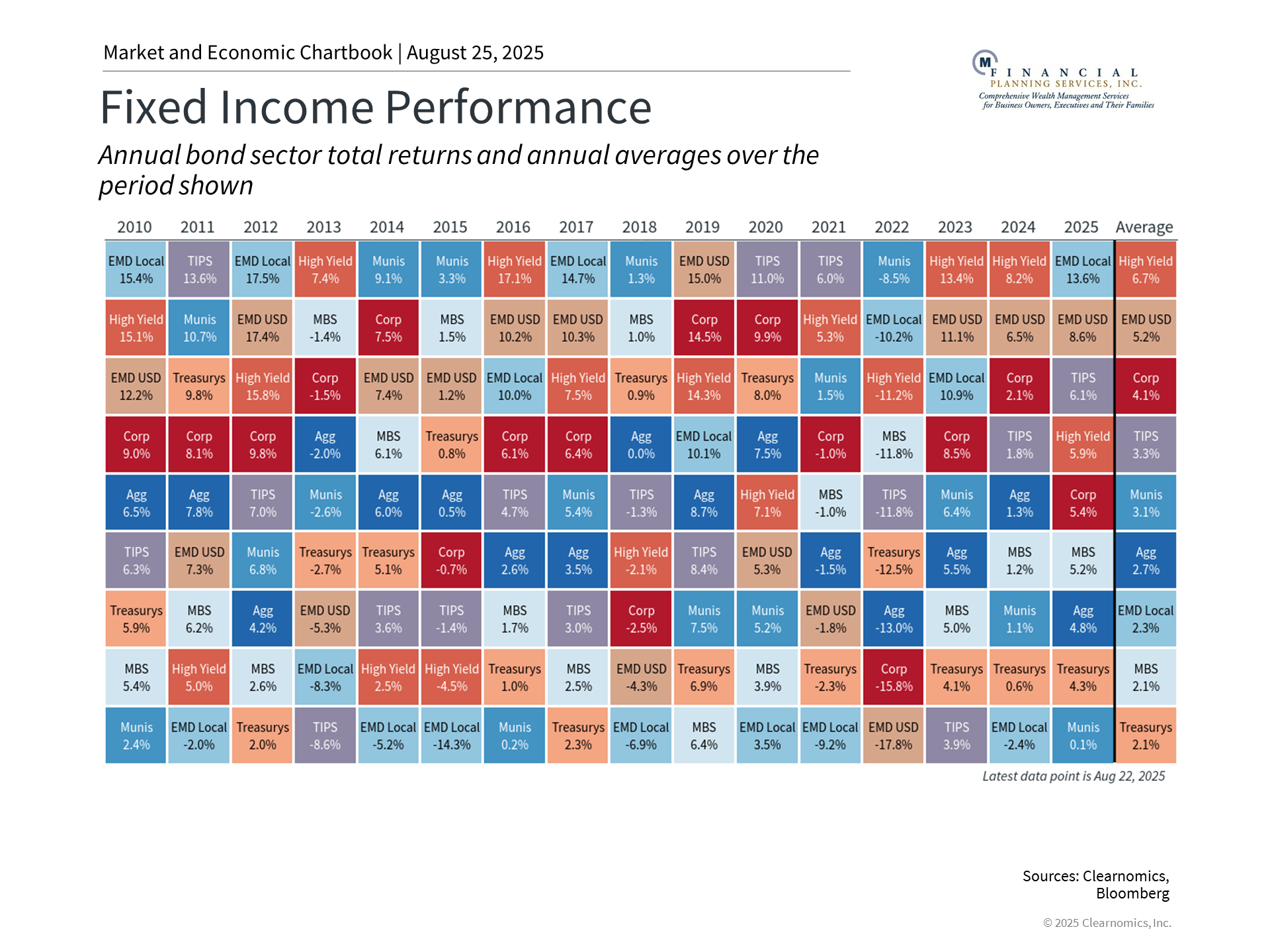 |
The possibility of Fed rate cuts matters for all investors. When rates fall, bond prices typically rise because existing bonds with higher yields become more valuable. Bond yields are quite attractive right now - Treasurys average 4.0%, investment grade corporate bonds 4.9%, and high yield bonds 6.9%. These are much higher than average levels since 2008.
For stock investors, lower rates typically reduce company borrowing costs, which can boost growth. This can support higher stock prices since future company earnings are worth more when interest rates are lower.
However, when credit spreads are tight and stock valuations are high, it's important to stay disciplined. A well-built portfolio can benefit from a stable economy and expected rate cuts while staying protected against unexpected problems.
The bottom line? Market confidence in Fed policy, combined with strong company fundamentals, creates opportunities for long-term investors. Holding a proper mix of investments is still the best way to manage long-term risk and returns.